
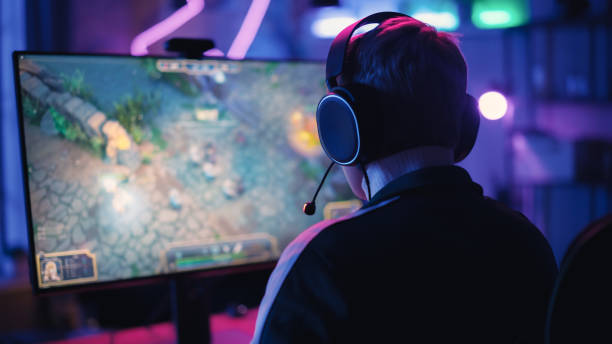
Have you ever noticed how online games have gone from simple, quick matches to huge digital worlds that can keep players busy for months or even years?
Online gaming has changed dramatically over time. What once focused mainly on short sessions and basic competition now includes open worlds, live events, social features, evolving stories, seasonal content, and cross-platform play. The core idea is still entertainment, but the way players interact with games has become much broader.
For beginners, understanding that evolution helps explain why modern online games can feel less like isolated products and more like ongoing digital spaces.
Online Games Used to Be Much Simpler
Early online สล็อต gaming often focused on direct, straightforward experiences.
Players might join a match, compete for a short period, then leave. The main attraction was usually the challenge itself rather than a large surrounding world.
Quick Sessions Were the Main Format
Many games were designed around short, repeatable rounds.
That made them easy to understand and easy to return to. There was less emphasis on long-term progression, social identity, or constantly changing content.
This structure still exists today, especially in casual games, competitive matches, and mobile titles.
Persistent Worlds Changed the Experience
One of the biggest shifts in online gaming came with persistent digital worlds.
Instead of starting from zero every time, players could return to the same character, account, or environment and continue where they left off.
Progress Became More Important
Players could gradually unlock areas, improve characters, collect items, or complete long-term goals.
That changed the feeling of online FAFA828 play. A single session became part of something larger rather than a completely separate experience.
Persistent progression is now common across many genres, not just large role-playing games.
Social Features Became Part of the Core Design
Online gaming is no longer only about playing against or alongside strangers.
Modern games often include friends lists, teams, guilds, messaging systems, shared events, and community spaces.
Games Became Places to Meet
For some players, the social side is just as important as the gameplay.
A quick match might turn into a regular routine with friends, while a larger game world can become a shared space where players cooperate on challenges or simply spend time together.
This has made communication tools an important part of game design.
Live Updates Keep Games Changing
Older games were usually more fixed after release.
Modern online games can change constantly through patches, updates, new modes, seasonal events, or additional content.
Players Return to Something Different
A game may introduce a new map, adjust a mechanic, add a character, or temporarily change the environment.
This ongoing development creates a stronger reason to return, but it also means players need to keep learning.
Beginners should check update notes or in-game information when returning after a long break, especially if controls or progression systems have changed.
Digital Worlds Are Becoming More Layered
Many modern online games combine several types of activity.
A single title might include combat, exploration, crafting, social spaces, collecting, customisation, and competitive modes.
Different Players Can Want Different Things
One person may care about ranked competition.
Another may prefer exploration, character design, or cooperative missions.
This flexibility allows games to support a wider range of play styles, but it can also make them feel more complicated at first.
New players are often better off learning one system at a time rather than trying to understand everything immediately.
Cross-Platform Play Has Expanded Access
Another major change is the growing connection between different devices.
Some online games allow people using consoles, computers, or mobile devices to interact in the same environment.
The Platform Matters Less Than Before
Cross-platform systems can make it easier for friends to play together even if they use different hardware.
However, players should still check practical details such as account linking, control differences, performance requirements, and whether progress transfers between devices.
These features vary from game to game.
Mobile Gaming Changed Expectations
Smartphones brought online gaming to a much wider audience.
Players no longer needed a dedicated console or powerful computer for every type of online experience.
Short and Long Sessions Now Coexist
Mobile games helped popularise quick sessions that fit around everyday routines.
At the same time, some mobile titles now offer large worlds, social systems, and long-term progression.
This means the gap between “casual” and “complex” online gaming has become much less clear.
Personalisation Has Become a Bigger Part of Play
Modern games often give players more ways to shape their experience.
Character appearance, equipment, profiles, controls, and interface settings may all be adjustable.
Identity Can Become Part of the Game
Customisation lets players create a stronger sense of ownership.
A character or profile can become recognisable within a community, especially in games where players return for long periods.
Beginners should still separate cosmetic features from actual gameplay advantages. Not every visible upgrade changes performance.
Online Gaming Also Requires More Awareness
As online games become larger and more connected, players have more things to think about beyond gameplay.
Useful areas to check include:
- Account security
- Privacy settings
- In-game purchases
- Communication controls
- Age ratings
- Time spent playing
- Community rules
- Payment and subscription terms
Strong passwords, two-factor authentication where available, and careful spending limits can make online gaming safer and easier to manage.
The Future Will Likely Be Even More Connected
Online gaming continues to move toward experiences that blend competition, social interaction, storytelling, and long-term progression.
The biggest change is not simply that games are getting larger. It is that they are becoming more flexible.
Players can move between quick matches, cooperative sessions, exploration, creative tools, and persistent worlds without leaving the same overall game ecosystem.
Conclusion
Online gaming has evolved from simple, short matches into a much broader form of digital entertainment.
Persistent worlds, social systems, live updates, mobile access, cross-platform play, and deeper customisation have all changed how players experience games.
For players, the useful approach is to explore these features at a comfortable pace. Learn the systems that matter, protect your account, manage spending and play time, and choose games that fit the kind of experience you actually enjoy.
