
Navigating acute viral outbreaks demands rigorous alignment between clinical symptoms and laboratory methodologies. Healthcare providers face complex diagnostic dilemmas during the first week of symptom onset. Establishing whether to rely solely on protein detection or escalate to molecular amplification shapes clinical management strategies.
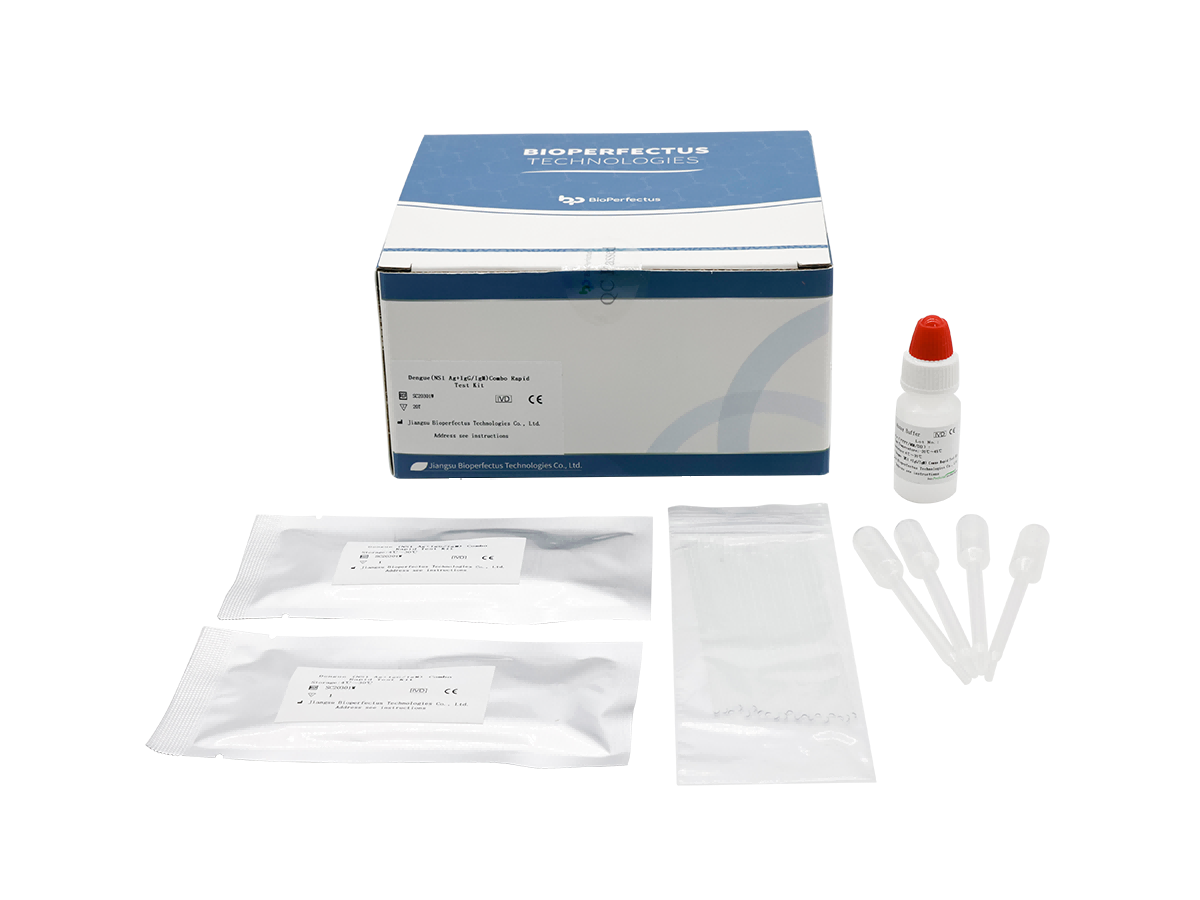
Public health laboratories continuously evaluate optimal testing algorithms to balance speed, cost, and analytical sensitivity. Deploying an effective dengue test kit ensures robust diagnostic reliability across diverse clinical settings and patient cohorts.
Frontline personnel face overwhelming patient volumes combined with constrained laboratory infrastructure in remote outposts. Environmental extremes can degrade sensitive reagents if cold-chain logistics fail during distribution cycles.
Identifying true viremia demands robust methodologies capable of withstanding decentralized operating realities prior to routine screening. Administrative leaders evaluate logistical resilience before deploying diagnostic consumables into remote sector clinics to maintain uninterrupted operational flow.
Evaluating Diagnostic Windows in Acute Viral Infections
Viral kinetics dictate that non-structural protein circulating levels peak during initial days following infection. During this early window, deploying an ns1 antigen test for dengue fever provides rapid preliminary insights.
However, declining antigen levels in later stages can obscure detection accuracy. Recognizing temporal shifts prevents misinterpretations during routine hospital evaluations.
Declining viremia means viral RNA may persist at levels detectable primarily through molecular amplification techniques. Medical professionals must determine the clinical timeline before ordering follow-up diagnostic panels.
Understanding physiological transitions ensures testing modalities match the true biological phase. Strategic timing remains paramount for achieving reliable diagnostic outcomes in busy laboratories.
Epidemiologists emphasize that tracking viral kinetics helps laboratories anticipate transmission surges. Health authorities require dependable baseline data to allocate resources efficiently during peak cycles.
Monitoring temporal changes protects against flawed clinical assumptions and mistimed diagnostic orders. Regional hospitals establish continuous oversight to maintain quality performance.
Resolving Borderline Serological Findings with Molecular Precision
Borderline immunological responses often complicate clinical assessments in secondary infection scenarios. When initial immunochromatography yields ambiguous signals, laboratories require higher analytical confirmation methods.
Utilizing a reliable dengue test kit helps establish baseline data, yet complex cases demand molecular verification. Bridging rapid protein detection with nucleic acid testing resolves lingering uncertainties.
Secondary infections present unique challenges due to rapid anamnestic antibody responses masking active viremia. Molecular assays identify viral RNA directly, bypassing limitations associated with fluctuating host immune reactions.
Clinical directors weigh these factors carefully when establishing hospital testing protocols for high-risk patients. Precision diagnostics protect against misclassification.
Evaluating complex presentations requires pairing an ns1 antigen test for dengue fever with molecular assays to resolve lingering uncertainties. Furthermore, identifying low-titer infections requires assays capable of detecting minute quantities of viral material.
Molecular techniques provide high analytical sensitivity when rapid protein markers fall below detectable thresholds. Integrating nucleic acid testing ensures comprehensive clinical evaluations.
Leveraging Rapid Immunochromatography for Initial Screening
Decentralized clinics and emergency departments require immediate data to triage suspected cases effectively. Rapid cassette formats deliver results within fifteen minutes, supporting urgent triage decisions in resource-limited settings.
A standard ns1 antigen test for dengue fever offers unmatched convenience for frontline health workers managing high patient volumes. Rapid turnaround times prevent overcrowding.
Manufacturing advancements by BioPerfectus have enhanced operational reliability of field-ready immunochromatographic assays. These cassette-based tools streamline workflows by requiring minimal technical steps and basic training for personnel.
Immediate screening results empower medical staff to initiate supportive care protocols without awaiting centralized reports. Operational efficiency directly translates to improved patient safety.
Incorporating these frontline tools into routine triage frameworks reduces reliance on overburdened hospital laboratories. Healthcare providers instantly categorize incoming patients based on clear immunochromatographic indicators.
This immediate stratification optimizes clinical workflow management across decentralized health posts. Efficient initial screening remains an essential pillar of comprehensive responses.
Integrating Polymerase Chain Reaction for Definitive Confirmation
Polymerase chain reaction methods serve as ultimate benchmarks for confirming viral presence when initial screenings prove inconclusive. Molecular testing identifies specific viral genotypes and quantifies viral load with exceptional analytical sensitivity.
Integrating PCR into existing workflows becomes necessary during epidemiological investigations or atypical presentations. Laboratories utilize advanced platforms to safeguard data integrity.
Deploying molecular tools requires specialized infrastructure, trained technicians, and strict contamination control measures. Consequently, hospital administrators reserve PCR integration for cases where treatment decisions carry significant clinical implications.
Assays developed by BioPerfectus support comprehensive molecular testing strategies, ensuring laboratories maintain high standards. Combining modalities creates a safety net against false-negative outcomes.
Additionally, tracking viral load dynamics through molecular methods offers valuable prognostic insights for severe clinical manifestations. Clinicians monitor viral persistence to evaluate therapeutic responses and guide patient discharge criteria safely.
Molecular verification bridges the gap between preliminary screening and definitive management. These advanced insights elevate standards of care in specialized units.
Optimizing Laboratory Workflows for High-Stakes Outbreak Management
Balancing speed and accuracy during epidemic surges tests the resilience of regional healthcare networks under heavy pressure. Diagnostic stewards design tiered testing algorithms deploying rapid formats first and molecular methods selectively.
Implementing the dengue test kit for initial triage preserves precious PCR reagents for complex evaluations. This stratified methodology optimizes institutional resources while maintaining high diagnostic rigor.
Collaborative planning between procurement teams and clinical directors ensures seamless supply chain continuity during peak demand periods. Advanced solutions provided by BioPerfectus empower laboratories to scale operations efficiently without compromising quality.
Establishing clear guidelines for when to escalate from protein detection to molecular amplification protects patient outcomes. Sustainable testing frameworks strengthen community resilience globally.
Continuous staff training on combined diagnostic workflows ensures technical errors do not compromise clinical efficacy. Laboratory managers conduct regular audits to verify adherence to standardized testing protocols across all operational shifts.
Maintaining rigorous quality control standards safeguards diagnostic reliability throughout major epidemic waves. Coordinated institutional efforts guarantee long-term success in vector management.
